5 Key Considerations for Painting Office Interiors and Retail Spaces
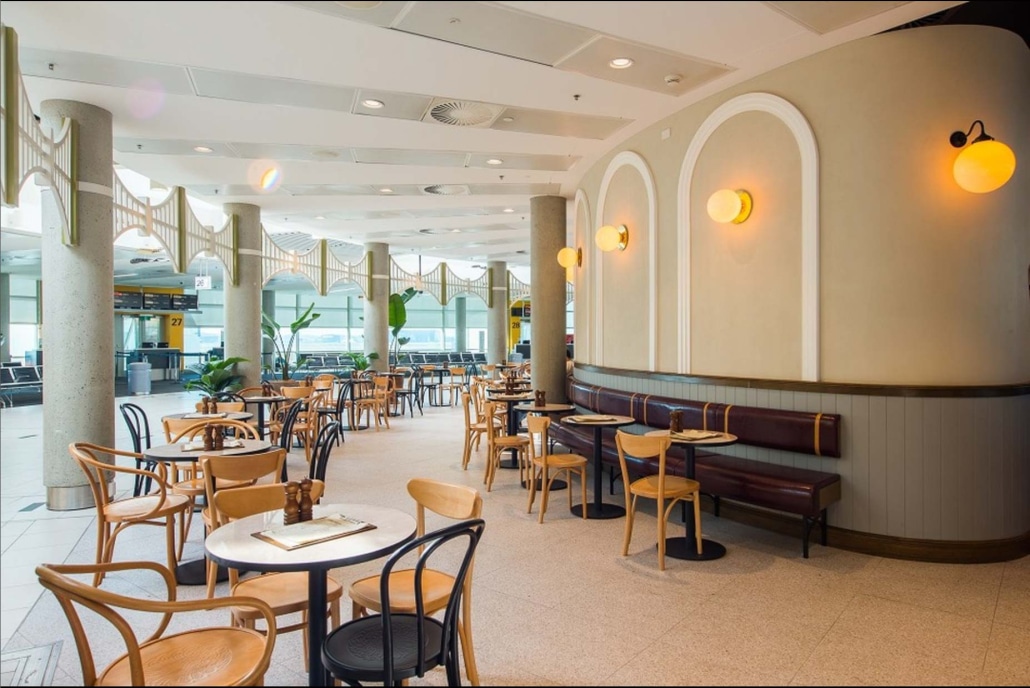
Painting a workplace or retail space is a different task to painting a home. The finish has to support how people work, how customers feel and how the brand presents, all while standing up to constant use. Getting commercial interior painting right means thinking well past colour alone, into durability, timing, lighting and compliance. A space that looks good on day one but marks badly within months, or a repaint that cost the business days of trading, is not a success no matter how nice the colour looked. The considerations below are the ones that genuinely shape the outcome. They are what professional commercial painters work through carefully before a brush ever touches a wall.
1. Colour Psychology and Brand Alignment
Colour shapes how a space feels and how people behave in it. Calm, muted tones suit focused work areas, while brighter accents can lift collaborative zones and retail displays where energy and attention matter. Just as importantly, the palette should reflect the brand, so the space feels like a deliberate extension of the business rather than a generic fit-out that could belong to anyone. Customers read a space before they read a sign, and staff are affected by the environment they spend their working days in. Strong office painting ideas start with the question of what each space is for and who uses it, then work back to colour from there rather than starting with a colour and hoping it fits.
2. Durability and Traffic
Workplaces and retail spaces take a beating that a home never does. Corridors, entries, reception areas and retail floors face constant contact, scuffing, cleaning and the occasional knock from trolleys, bags and equipment. Office painting in these areas calls for hard-wearing, washable products that hold up to repeated wiping without losing their finish or colour over time. Spending a little more on durable coatings in high-traffic zones almost always costs less over the long term than repainting tired, marked walls every couple of years. Matching the product specification to the wear each area actually sees, rather than using one paint throughout, is a core part of getting commercial work right.
3. Minimising Downtime
Every hour a space is out of action has a cost. The schedule for office interior painting should be built around your trading and working hours, using evenings, weekends or quiet periods and staging the work zone by zone so the business keeps running throughout. The goal is a finished result with the smallest possible interruption to staff and customers, and that takes genuine planning rather than luck or goodwill. A clear, agreed timeline tells everyone what to expect and when, so the project never comes as a surprise. This is one of the clearest reasons to use a dedicated commercial team rather than a general crew that is unused to working around a live trading business.
4. Finish, Sheen and Lighting
The same colour can look completely different depending on its sheen and the light around it. Matte finishes hide surface imperfections but mark more easily, while satin and semi-gloss are more durable and washable, which suits busy commercial settings where walls are touched and cleaned often. Office and retail lighting, both natural and artificial, changes how a colour reads through the day, and fluorescent and LED lighting can shift a tone noticeably from how it looked on the swatch. Professional commercial painters test finishes in the actual space and lighting before committing, so the result on the wall matches the result that was approved rather than surprising everyone once it is done.
5. Compliance, Safety and Low-Odour Products
Painting an occupied workplace carries obligations around safety and air quality. Low-VOC and low-odour products keep spaces usable sooner and far more comfortable for staff and customers who remain on site during the work. Wet-paint zones, signage, ventilation and access all need to be managed so the workplace stays safe and compliant throughout the project. Insurance and adherence to workplace health and safety requirements are not optional extras, they are the baseline. Factoring all of this in from the start is part of what makes commercial interior painting a specialist task, and it is why experienced contractors plan the safety approach alongside the paint specification rather than treating it as an afterthought.
Planning Your Office or Retail Repaint
Bringing these five considerations together is the job of an experienced commercial team. Before any painting begins, they will assess the space, ask how the business runs, recommend products suited to each area, and build a schedule around your trading hours. The colour and finish are confirmed in the actual space and lighting, the safety approach is planned alongside the specification, and the work is staged so the business keeps running throughout.
Treating an office or retail repaint as a project to be properly planned, rather than a job to be squeezed in, is what produces a finish that looks right, lasts well and never costs the business more in disruption than it was worth. The time spent planning at the start is always recovered in a smoother, faster result.
Get in Touch
If you’re planning to repaint an office or retail space, S2F Painting can help you get every one of these considerations right. Explore our commercial painting services or browse our full range of painting services to see how we work and where we can help.
Ready to talk through your project? Get in touch for a quote tailored to your property, your timeline and your budget. Our team is happy to walk through the options with you, suggest office painting ideas, and recommend the right approach for your situation.


